Why Supplement Brands Are Investing More in Packaging Mock-Ups Before Launch
The supplement and wellness industry has become one of the most competitive consumer markets in recent years. From protein powders and vitamins to functional beverages and immunity boosters, new products are entering the market at an unprecedented pace. With so many brands competing for consumer attention, packaging has become a critical factor in influencing purchasing decisions.
Today’s consumers are not only looking for effective products – they are also drawn to brands that communicate trust, quality, and professionalism through their packaging.
As a result, more companies are investing in supplement packaging mock-ups before launching new products.
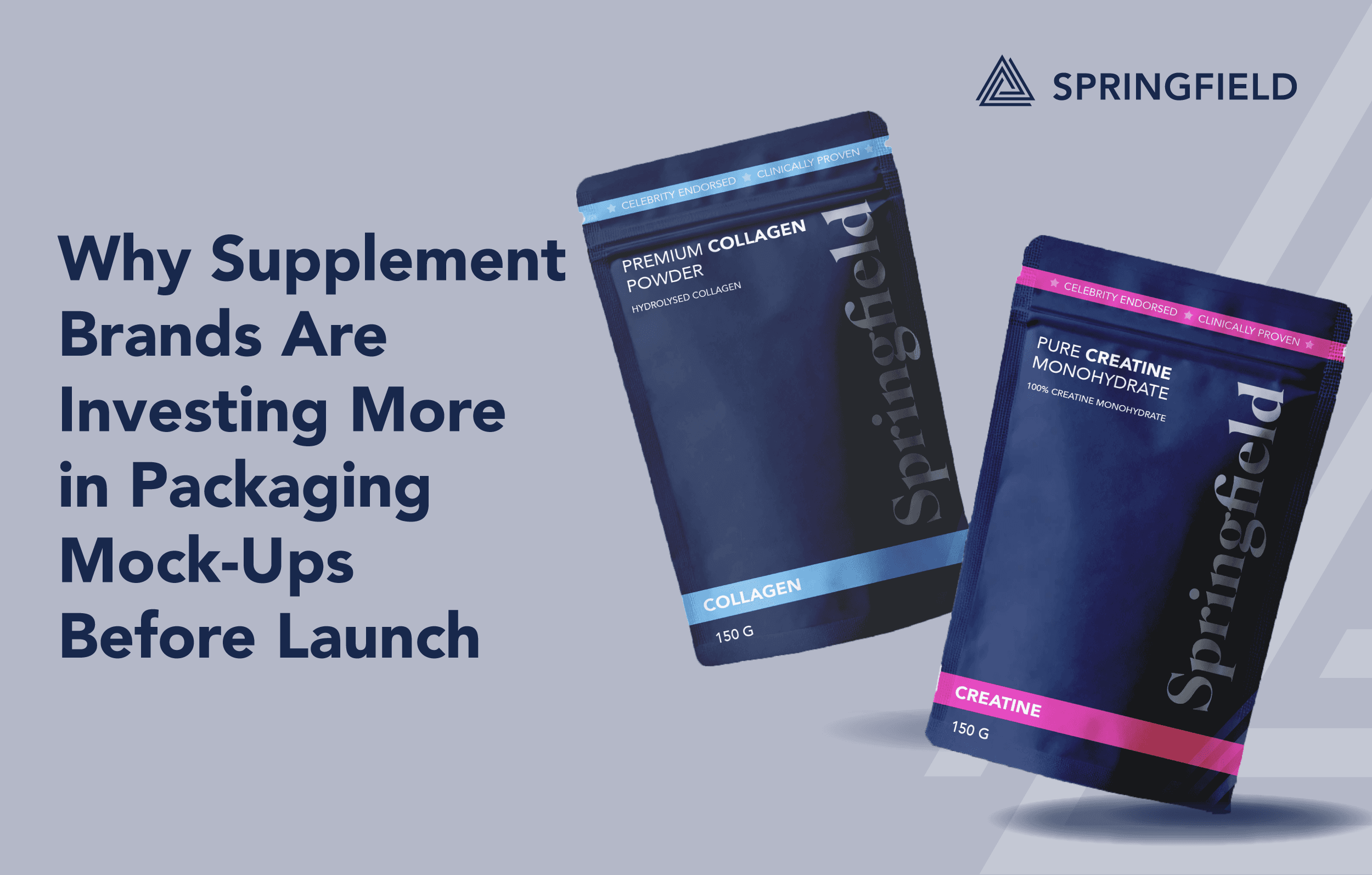
Packaging mock-ups allow brands to visualise, test, and refine packaging concepts before committing to costly production runs. By creating realistic digital or physical representations of packaging, businesses can make better decisions, reduce risks, and improve product presentation.
This growing trend is changing how supplement brands approach packaging development and product launches.
The Growing Importance of First Impressions
Research consistently shows that packaging influences consumer purchasing behaviour.
In crowded retail environments and increasingly competitive online marketplaces, brands often have only a few seconds to capture attention. ‘Consumer purchase decisions are extremely influenced by packaging’s promotional function when there is no discernible difference in the quality of similar products.’ (Xu Yuk Yung, 2023)
How do you give yourself an immediate advantage on shelf and online if not with packaging?
For supplement products, packaging plays an even greater role because consumers are making decisions based on trust. Whether they’re choosing vitamins, sports nutrition products, probiotics, or wellness supplements, buyers want reassurance that the product is safe, effective, and professionally manufactured.
A well-designed piece of packaging communicates these qualities instantly. However, achieving the right look and feel requires more than reviewing flat artwork files.
This is where packaging mock-ups become invaluable.
Mock-ups allow teams to see how packaging will appear in real-world settings, helping identify design issues and opportunities before full-scale production begins.
Reducing Risk Before Production
Launching a new supplement product often involves significant investment in formulation, manufacturing, marketing, and distribution. Packaging mistakes can be expensive to correct once production is underway.
Packaging mock-ups provide an opportunity to spot problems early, including:
- Poor label readability
- Weak brand visibility
- Colour inconsistencies
- Misplaced nutritional information
- Packaging formats that fail to stand out on shelves
By reviewing realistic, production-accurate mock-ups before manufacturing, brands can make informed adjustments without incurring costly reprint or redesign expenses.
This risk reduction is one of the primary reasons supplement companies are increasing their investment in packaging prototypes and mock-up development during the pre-launch phase.
Improving Shelf Impact and Consumer Appeal
Shelf presence remains a major factor in retail success. Consumers often compare multiple products side by side, making visual differentiation essential.
Modern supplement packaging must balance several objectives:
- Communicate product benefits clearly
- Reflect brand identity
- Meet regulatory requirements
- Appeal to target audiences
- Stand out against competitors
Packaging mock-ups help marketing teams evaluate their packaging against these factors to see how their product will perform in realistic retail environments.
For e-commerce brands, mock-ups are equally valuable. By running a short-run of packaging before production – brands are able to create online content earlier. Meaning you do not have to wait for a full production run to schedule in your photoshoots!
Supporting Better Packaging Design Testing
Packaging development is no longer based solely on internal opinions. Many brands now rely on consumer feedback to guide design decisions.
Packaging design testing using mock-ups allows companies to evaluate packaging concepts with both target audiences and retailers before launch. This process can reveal important insights into:
- Consumer perceptions
- Brand recognition
- Purchase intent
- Product positioning
- Design preferences
Test consumers and retailers can review multiple design options and provide feedback based on packaging that closely resembles the finished product.
This approach helps supplement brands make data-driven design decisions rather than relying on assumptions and hypotheses.
Meeting the Demands of the Wellness Market
The wellness sector continues to evolve rapidly. Consumers increasingly seek products that align with their lifestyles, values, and health goals.
As a result, wellness packaging design has become more sophisticated. Brands are expected to communicate sustainability, transparency, premium quality, and scientific credibility through their packaging.
Mock-ups help ensure these messages are effectively communicated before products reach the market. Designers can experiment with materials, finishes, typography, colour schemes, and structural formats to find the most effective solution.
For premium wellness products, subtle packaging details can significantly influence perceived value. Mock-ups provide a safe environment to refine these details before investing in production, allowing brands to test packaging before launch.
The Rise of Functional Drink Packaging Innovation
The functional beverage category has also experienced significant growth, with products ranging from energy drinks and protein shakes to hydration supplements and nootropic beverages.
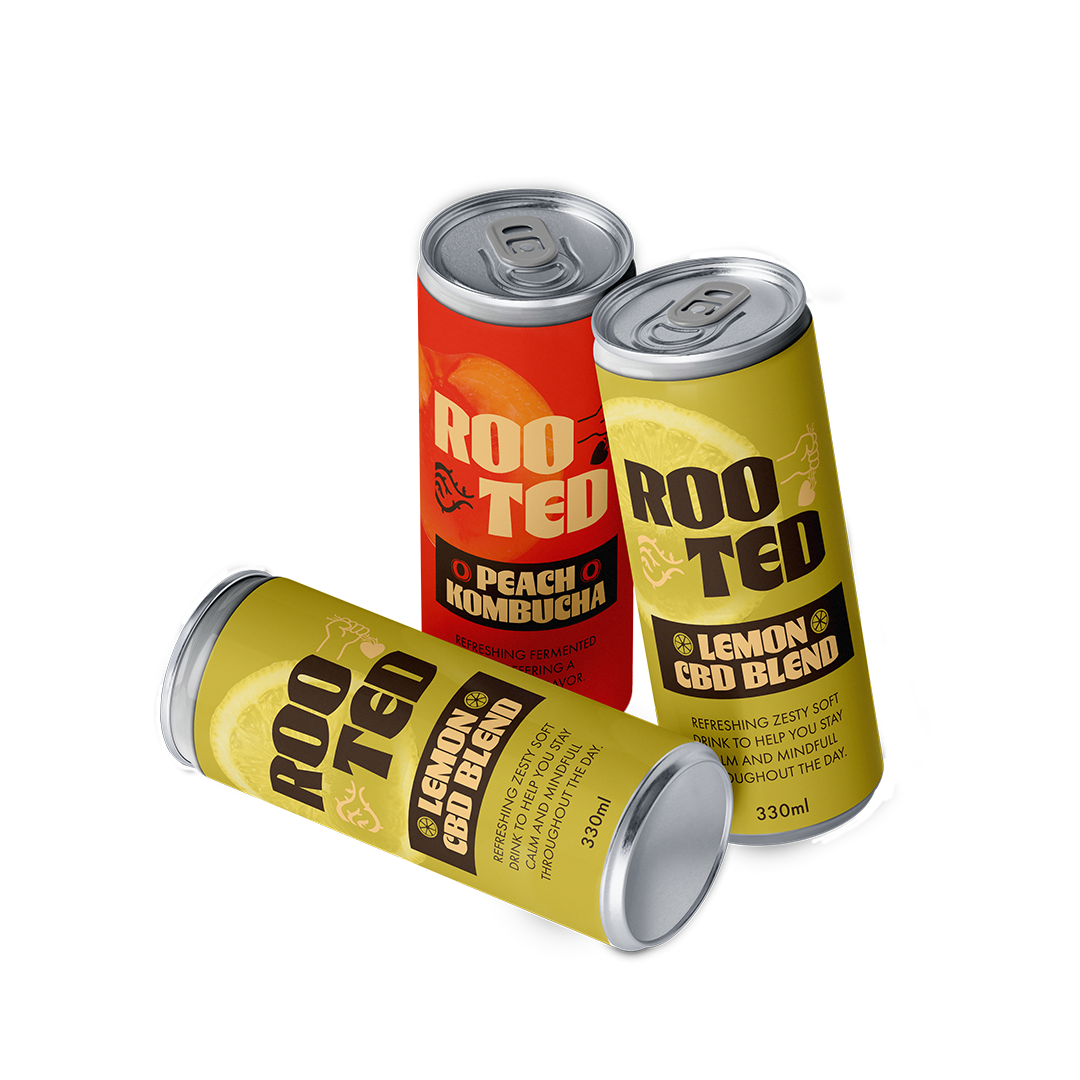
This expansion has increased demand for innovative functional drink packaging that attracts consumers while communicating product benefits clearly.
Unlike traditional supplement containers, functional drinks often compete in highly visual retail spaces. Packaging must quickly convey flavour, function, and brand identity.
Using packaging mock-ups, brands can test and trial designs across multiple formats including labels, SRP, cartons, and flexible packaging formats before full-scale manufacturing begins.
You can test multiple concepts, explore alternative packaging structures, and optimise branding for both retail and digital environments.
The ability to evaluate packaging performance early helps brands launch products with greater confidence and stronger market positioning.
Digital Packaging Mock-Ups – 3D Packshots
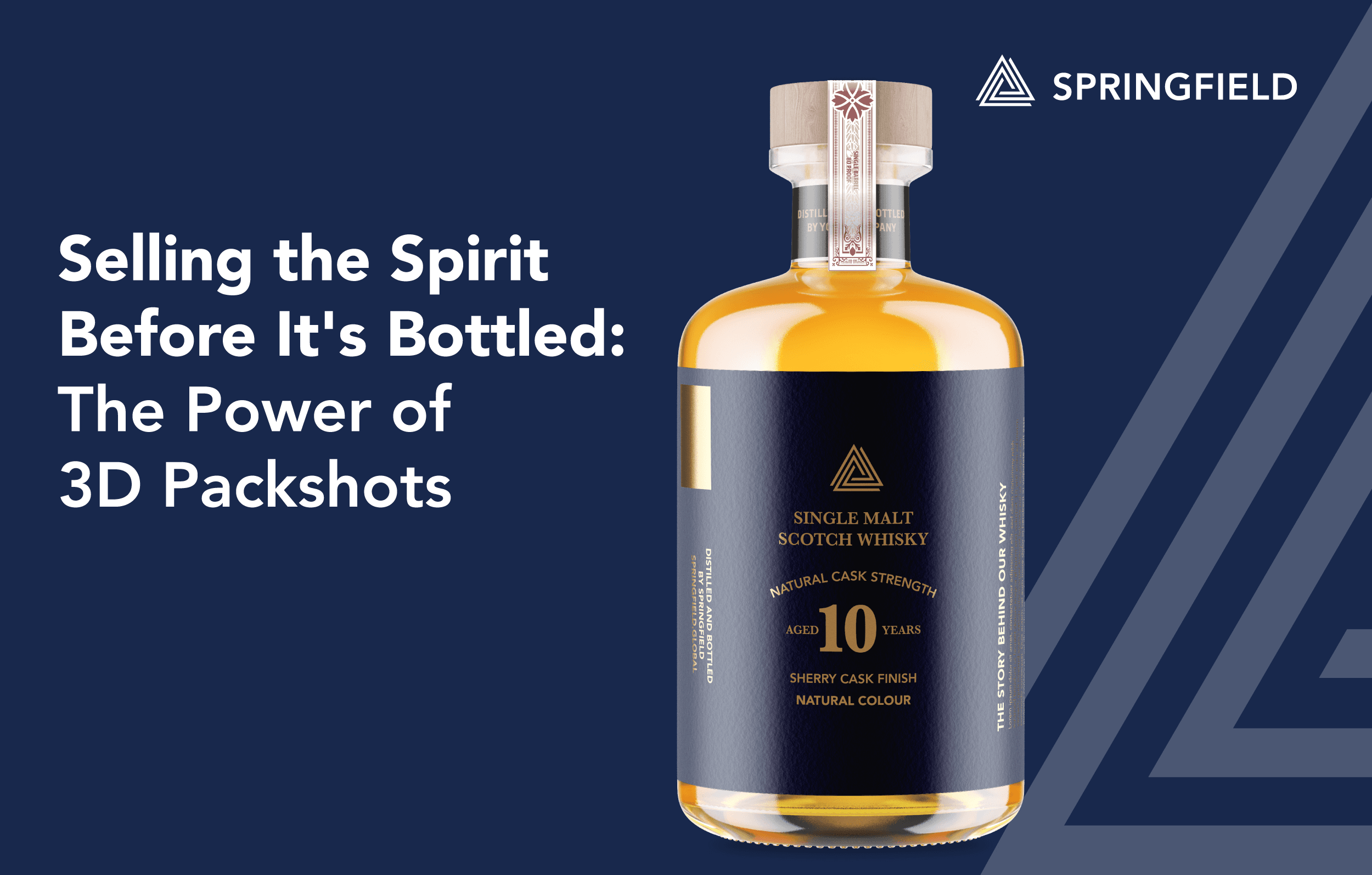
Alongside nailing down your packaging design through physical packaging prototypes, brands should then look to digital packaging mock ups – or 3D packshots – to get the most out of their packaging assets.
High-quality digital mock-ups and 3D packshots can be used throughout the product launch process, including:
- Investor presentations
- Retail buyer pitches
- Marketing campaigns
- Trade show materials
- Website content
- Social media promotions
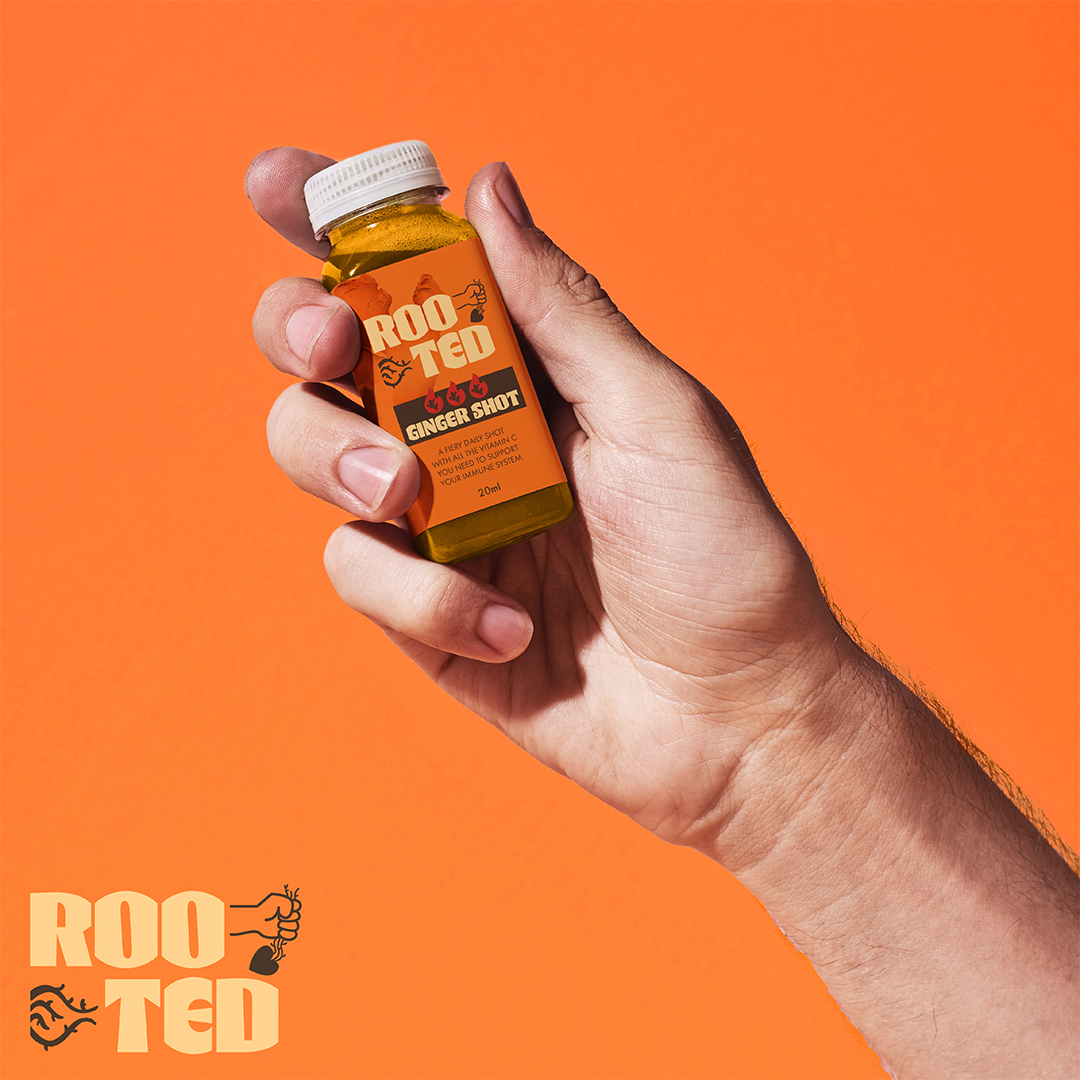
This accelerates launch timelines and enables stakeholders to visualise products before inventory becomes available, allowing for marketing to build hype and interest in a product prior to launch.
For growing supplement companies, this speed-to-market advantage can be particularly valuable.
How to Test Your Packaging Before Launch with Supplement Packaging Mock-Ups
Demand for packaging mock-ups in the UK continues to grow as supplement and wellness brands seek more efficient product development processes.
The UK health and wellness market is highly competitive, with brands facing increasing pressure to launch products quickly while maintaining high standards of quality and presentation.
At Springfield, we provide a practical solution to packaging mock-ups across both physical and digital formats, helping teams:
- Validate packaging concepts
- Reduce production risks
- Improve stakeholder alignment
- Test consumer response
- Support marketing efforts
By investing in supplement packaging mock-ups, companies gain the ability to visualise, test, refine, and validate packaging concepts before committing to production.