Print Waste Reduction Through Smart Pre-Press and Reprographics
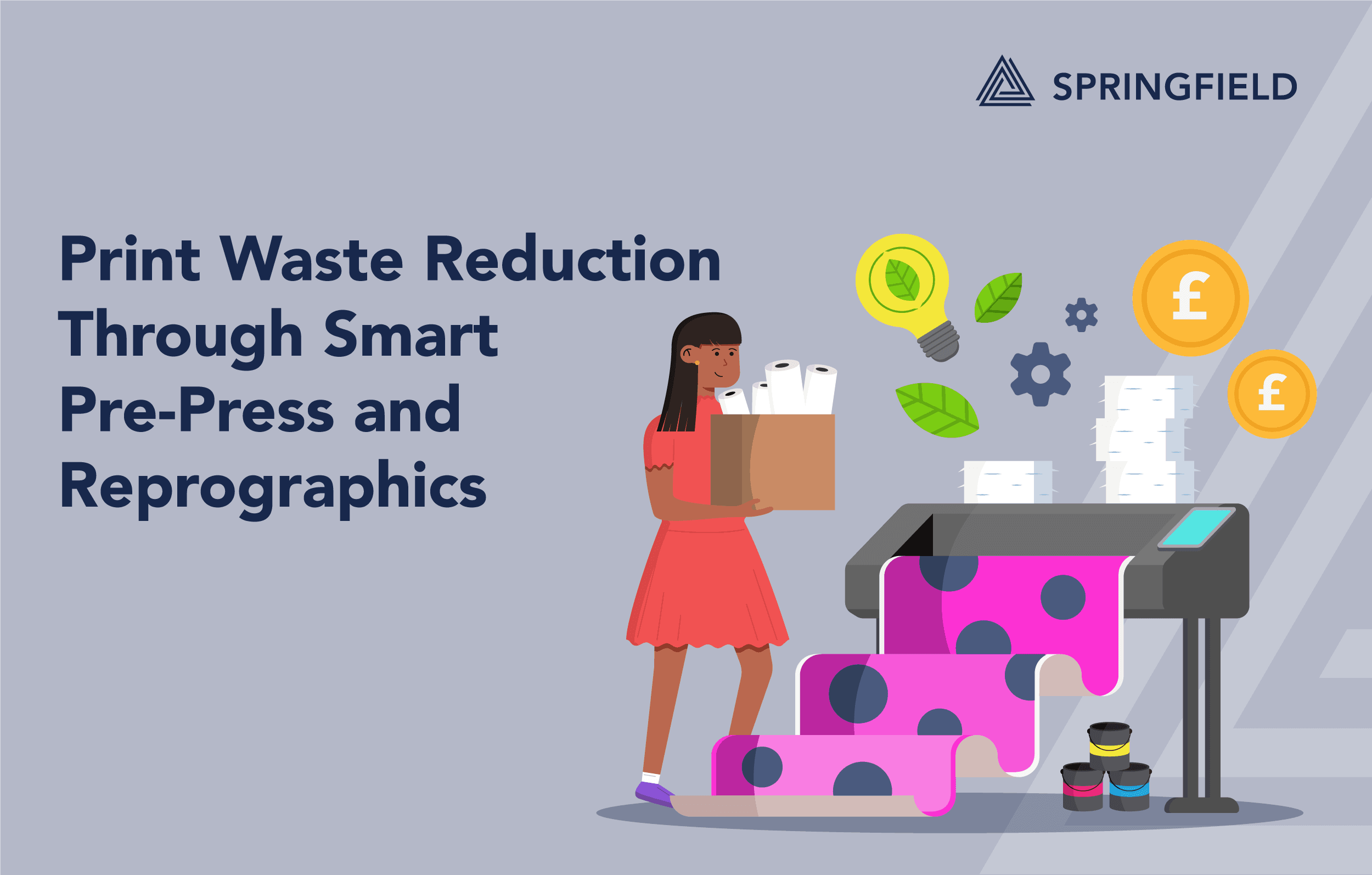
Print waste is a critical focus for brands, regulators, and consumers alike with substantial shifts towards sustainability.
While much attention is given to materials and recyclability, one often overlooked contributor to environmental impact is print waste caused by artwork errors, last-minute changes, and inefficient pre-press processes.
Reducing this hidden waste stream is not just good for the planet, but it delivers measurable cost savings and operational efficiency to brands. By investing in smarter pre-press workflows and reprographics expertise, brands can significantly lower print and packaging waste, while aligning with broader sustainability goals.
The Hidden Cost of Print Waste
Print waste is rarely visible to the end consumer, but its impact is substantial. Every time a packaging run is scrapped due to incorrect artwork, outdated claims, or colour inconsistencies, the consequences ripple across the supply chain.
Environmental Impact
Waste from reprints contributes to:
- Excess use of materials e.g. paper, board, plastics, and inks
- Increased energy consumption in printing and logistics
- Higher carbon emissions from production and transportation
- Disposal challenges for unusable packaging materials
Even small errors, such as a missing recycling logo or incorrect ingredient list, can result in entire print runs being rejected.
Financial Impact
The cost implications are equally significant:
- Reprinting large packaging volumes
- Production delays and missed deadlines
- Expedited shipping costs to recover timelines
- Increased labour and operational overhead
For global brands managing hundreds of SKUs, these issues can quickly escalate into millions in entirely avoidable costs.
The Root Cause
A major driver of print waste is last-minute artwork changes. This often happens when:
- Regulatory updates are identified too late
- Marketing claims are revised after approval
- Language or localisation errors are discovered
- Print specifications are misaligned with production requirements
Without robust controls, these changes occur at the most expensive stage, just before or during print production.
How Smart Pre-Press Reduces Waste
Smart pre-press processes act as a critical safeguard, catching issues before they become costly problems.
1. Comprehensive Pre-Press Checks
Pre-press is a major quality control gateway.
Effective pre-press checks ensure:
- Artwork meets printer specifications
- Colours are correctly profiled and consistent
- Fonts, barcodes, and images are production-ready
- Regulatory elements are correctly placed and legible
By validating artwork before it reaches the press, brands can prevent errors that would otherwise lead to reprints, delaying product launches and increasing waste.
2. Reprographics Audits for Accuracy and Consistency
Reprographics goes beyond preparing files – it ensures that artwork is optimised for real-world printing conditions.
A thorough reprographics audit includes:
- Colour management and calibration across substrates
- Image optimisation for different print methods
- Verification of dielines and structural layouts
- Alignment between design intent and print output
This process reduces variability, ensuring that what is approved digitally is what appears on the final pack.
- Digitally Printed Proofs to Eliminate Guesswork
Reviewing artwork on screen can only go so far. Colour, material, and finish behave very differently in print, making it difficult to fully predict the final result without seeing it in a physical format.
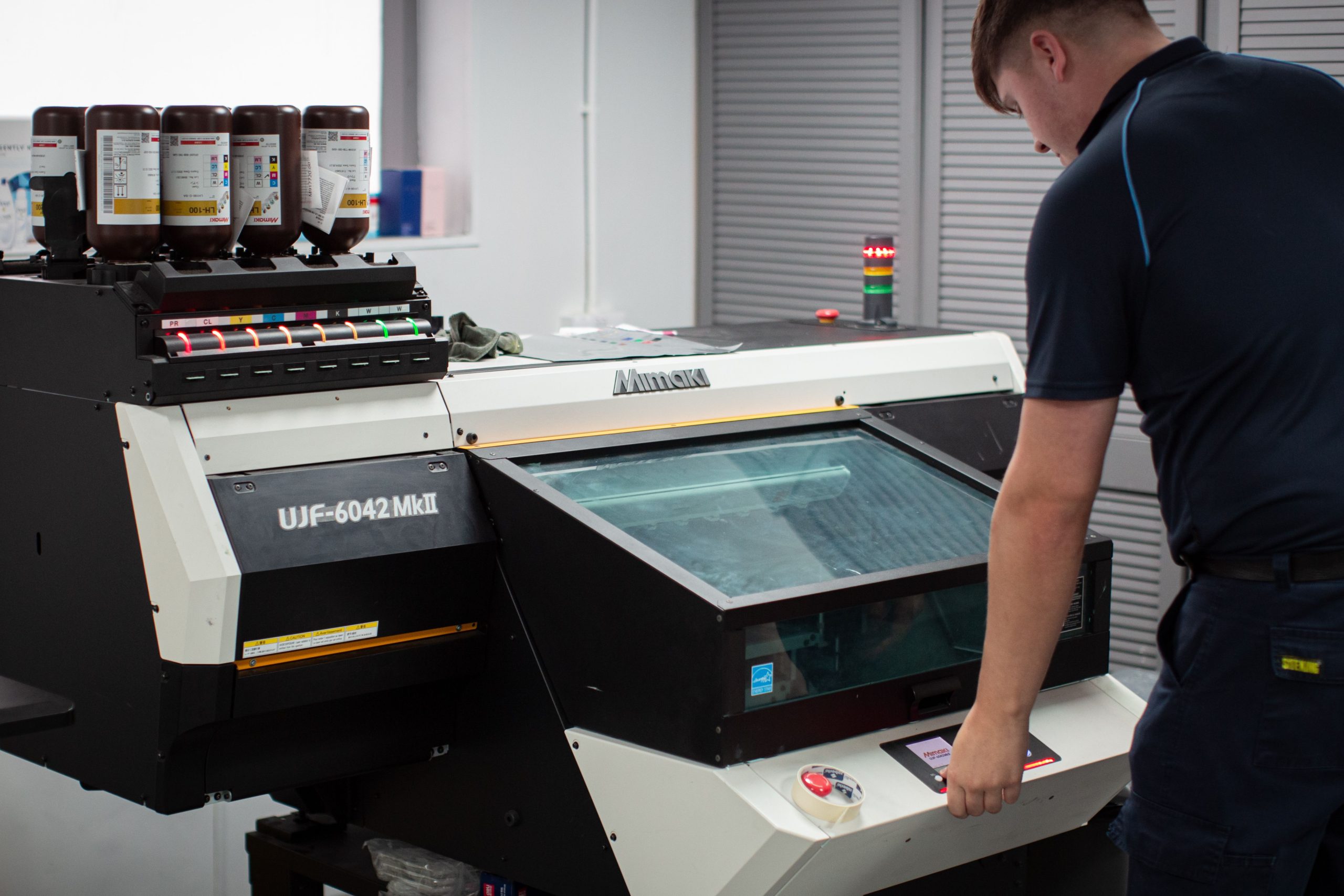
Digitally printed proofs bridge that gap by giving stakeholders a true-to-life representation of the final pack, before full production begins. This approach:
- Replicates real print conditions, including colour, substrate, and finishes
- Allows stakeholders to assess packaging in hand, not just on screen
- Reduces reliance on multiple press trials or production runs
- Builds confidence in approvals, minimising last-minute changes
By validating packaging designs through high-quality printed proofs, brands can identify issues earlier, make informed decisions, and significantly reduce the risk of waste caused by reprints or production errors.
4. Fingerprinting for Print Consistency
Fingerprinting is a critical but often underutilised technique in sustainable artworking.
It involves:
- Establishing baseline print standards for presses and substrates
- Ensuring consistent colour reproduction across runs
- Minimising trial-and-error adjustments during production
By stabilising the print process, fingerprinting reduces waste caused by colour mismatches and production inconsistencies.
Lifecycle Benefits of Reducing Print Waste
The benefits of smarter pre-press extend far beyond individual print runs. They impact the entire packaging lifecycle.
1. Reduced Material Consumption
Fewer reprints mean less raw material usage, directly supporting packaging waste reduction targets.
2. Lower Carbon Footprint
By eliminating unnecessary production cycles, brands can significantly reduce:
- Energy usage
- Transport emissions
- Overall carbon impact
This contributes to broader sustainability goals and net-zero commitments.
3. Improved Supply Chain Efficiency
Accurate artwork reduces disruptions across the supply chain:
- Fewer delays in production
- Improved inventory management
- More predictable timelines
4. Enhanced Brand Reputation
Consumers increasingly expect brands to demonstrate sustainability in action, not just messaging.
Reducing print waste supports:
- Credible sustainability claims
- Compliance with evolving regulations
- Stronger trust with environmentally conscious consumers
Building a Sustainable Artworking Strategy
Achieving meaningful sustainable artworking requires a shift in mindset, from reactive fixes to proactive optimisation.
1. Integrate Pre-Press Early in the Workflow
Pre-press should not be the final checkpoint but should be involved from the start of the design process.
2. Standardise Processes Across Markets
Consistency reduces errors. Establish global standards for:
- Artwork templates
- Colour management
- Regulatory elements
3. Invest in Technology and Expertise
Digital tools are essential, but so is human expertise.
Combining advanced systems with experienced reprographics professionals ensures the highest level of accuracy and efficiency.
How Springfield Can Help You Reduce Print Waste
Springfield supports brands in achieving packaging waste reduction through a combination of technology, expertise, and proven workflows.
Many of our services lend themselves to a more efficient, and thus a more sustainable pre-press practice. Including:
- Reprographics Excellence
- Digital Proofing Solutions
- Fingerprinting
By addressing the root causes of print waste, Springfield helps brands lower costs, improve efficiency, and meet sustainability targets as a reliable and quality print partner.
To summarise, print waste is a silent but significant contributor to environmental impact in packaging. The good news is that it is also one of the most controllable – and not just on the factory floor!
Through smarter pre-press processes, robust reprographics, and digital innovation, brands can dramatically reduce errors, reprints, and waste.
As sustainability expectations continue to rise, investing in pre-press environmental benefits is a strategic advantage. Contact Springfield to explore sustainable support in reducing print waste through pre-press services.