How to Reduce Packaging Approval Delays and Meet Your Launch Dates
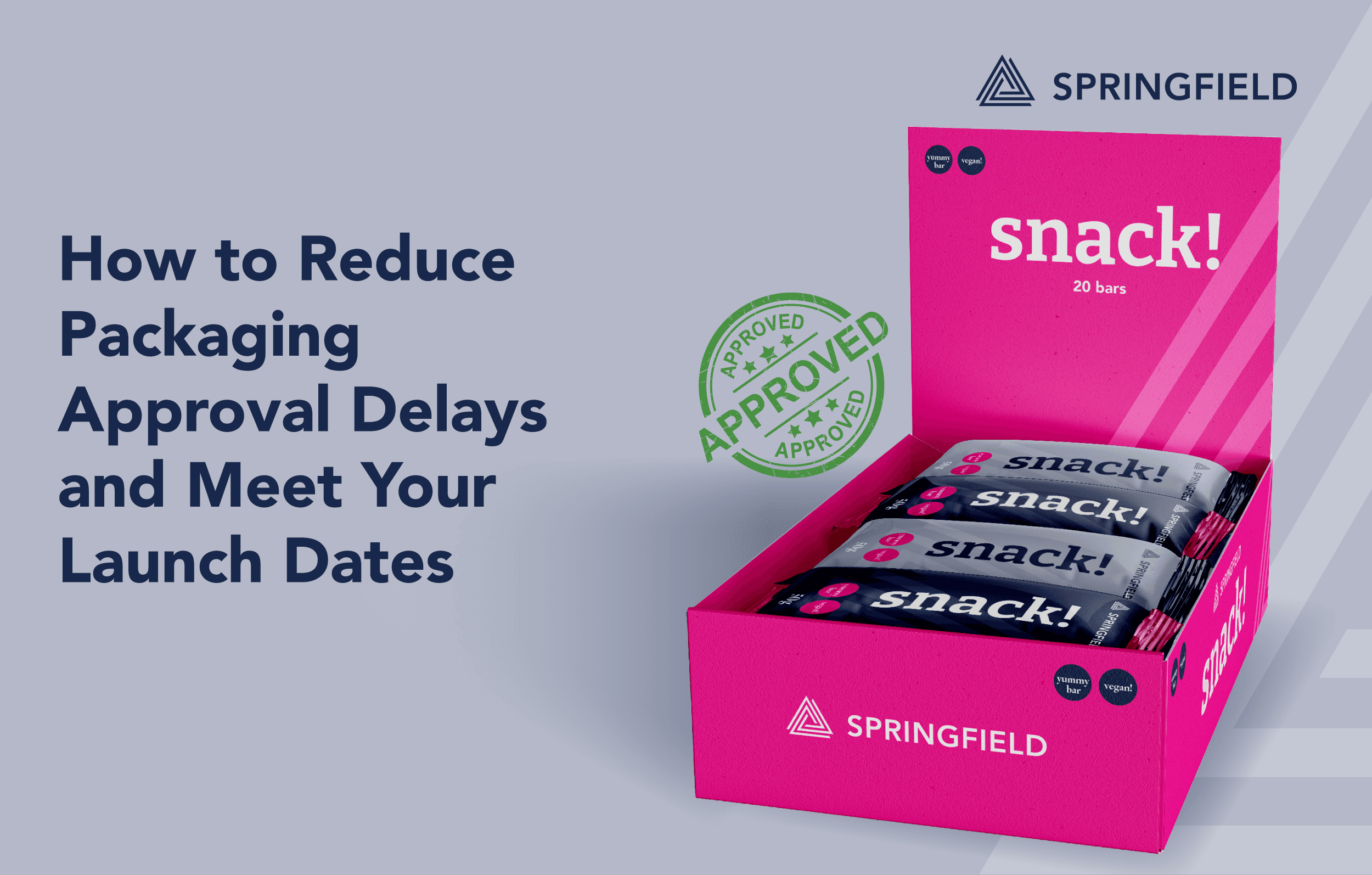
Packaging is often one of the final steps before a product reaches shelves, but it can also be one of the biggest causes of launch delays.
A missing approval, an outdated artwork file, unclear feedback or a late compliance change can quickly turn a well-planned launch into a stressful race against time.
When packaging deadlines slip, the impact goes beyond the design team. Production schedules move, marketing activity is pushed back, sales opportunities are missed and costs increase.
For brands managing multiple products, markets, suppliers or seasonal campaigns, the packaging approval process needs to be more than a set of emails and shared folders. It needs structure, accountability and visibility from the very start. That is where effective artwork management, a clear artwork approval workflow and experienced packaging project management make a real, measurable difference.
Why Packaging Approval Delays Happen
Most packaging approval delays are not caused by one major issue. They are usually the result of many small problems building up over time.
A brief may be incomplete. A barcode may be supplied late. Regulatory copy may change after the design has already been reviewed. A stakeholder may approve the wrong version. Feedback may be split across emails, PDFs, spreadsheets and phone calls, making it hard to know what has been agreed.
Without a defined packaging artwork management process, teams spend too much time chasing comments, checking files and confirming whether an approval is final.
This creates unnecessary risk.
The wrong file can be sent to print, brand consistency can suffer and technical or legal errors can be missed. Even when the final artwork is correct, the time lost getting there can put the launch date under pressure.
How to Reduce Packaging Approval Delays
Start with a Clear Packaging Approval Process
The first step to reducing packaging approval delays is to map the full approval process before artwork begins. Every project should have a clear route from brief to final print-ready file.
That route should identify:
- Clear deadlines
- Printer specifications
- Who needs to review the artwork
- What they are responsible for
- When their feedback is required
- What counts as final approval
This may sound simple, but it is often where packaging projects become complicated.
Marketing, brand, legal, regulatory, technical, procurement, printers and external agencies may all need to be involved. If their roles are not defined early, reviews can become repetitive or contradictory.
A structured packaging approval process gives everyone a shared understanding of what needs to happen and helps avoid late-stage surprises.
Build an Effective Artwork Approval Workflow
A strong artwork approval workflow keeps projects moving by making each stage visible and controlled.
Instead of relying on manual reminders, scattered comments or version names such as “final_final_v3”, (that you swear are the final final version) teams need one clear source of truth. The latest artwork, current comments, approval status and outstanding actions should be easy to find.
Good workflows also help separate essential feedback from personal preference. Reviewers should know what they are checking, whether that is brand accuracy, legal information, product data, print specifications or market requirements. This keeps approvals focused and reduces the risk of endless rounds of amends.
For larger projects, parallel reviews can also save valuable time. Where appropriate, different teams can review their sections at the same time rather than waiting for each department to finish before the next one starts. This approach needs careful management, but it can significantly improve speed to market when launch windows are tight.
Use Packaging Artwork Management to Protect Accuracy
Speed should never come at the expense of accuracy.
Packaging carries essential brand, product and compliance information, so mistakes can be costly. Effective packaging artwork management helps teams work faster while keeping control over the details that matter.
Centralising artwork assets is a key part of this. Logos, product imagery, icons, claims, cutter guides, technical specifications and approved copy should be easy to access and clearly version controlled.
When everyone is working from approved assets, there is less risk of old branding being reused, incorrect copy appearing on pack or technical information being missed.
Artwork management also supports better brand management. Whether a brand is launching one new product or rolling out packaging changes across a full range, consistency matters. A structured process helps protect visual identity, tone of voice and mandatory information across every SKU, format and market.
Bring Your Packaging Artwork Partner in Early
One of the most effective ways to reduce packaging approval delays is to involve a packaging artwork partner early in the project.
When artwork specialists are brought in only at the final stage, they are often left to solve problems that could have been prevented much earlier. These might include missing information, unsuitable file formats, unclear print requirements or incomplete stakeholder approvals.
By working with Springfield from the start, brands can build the right artwork route before the pressure of the deadline increases. Our dedicated teams at Springfield can help clarify requirements, identify potential risks, manage artwork schedules and support the flow of information between internal teams, agencies and printers.
This early involvement helps projects move more smoothly and gives brands greater confidence that packaging will be ready when it needs to be.
By utilising Springfield’s services, including our Digital Asset Management tool (which you can read about in more depth here!) you will be able to manage your entire project with increased efficiencies by tracking each asset and step through one integrated flexible system.
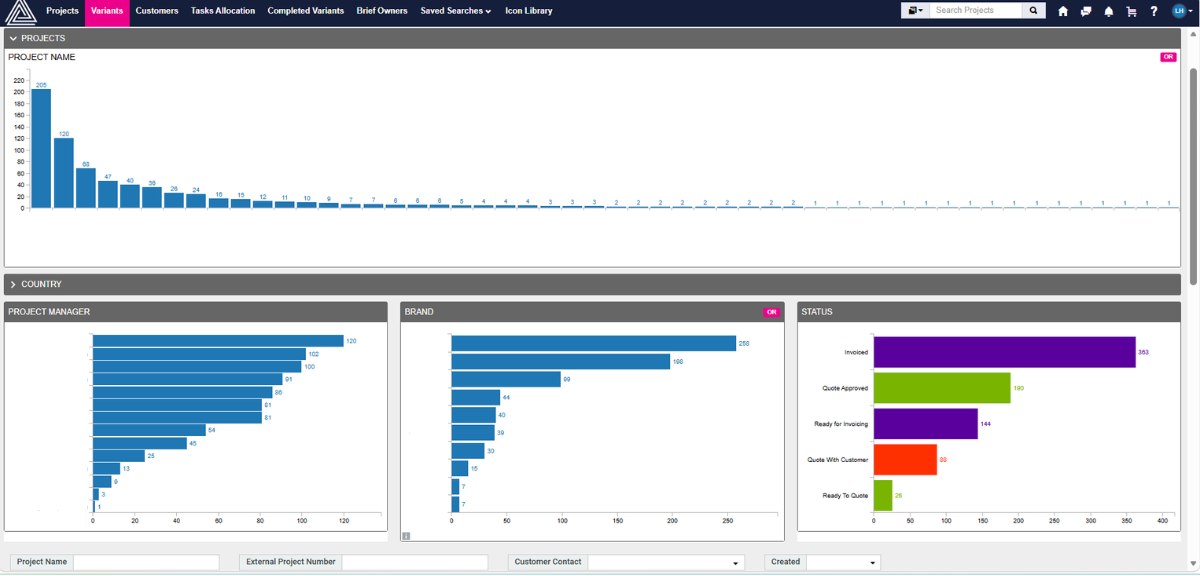
Springfield’s experience across artwork management, brand management, packaging workflows and project management means you are not just receiving artwork support at the end of a project. You are gaining a valuable partner who understands the full journey, from brief to launch.
Improve Packaging Project Management with Better Visibility
Packaging project management is about more than keeping a timeline up to date. It is about understanding dependencies, spotting bottlenecks and making sure each stakeholder has what they need to complete their part of the process.
The earlier risks are identified, the easier they are to manage.
This is why clear milestones are essential. Teams should know when the brief is locked in, when copy is approved, when design review begins, when technical checks take place and when artwork must be released for print. If one stage moves, the impact on the rest of the launch plan should be visible straight away.
To summarise, to make packaging approvals faster and more reliable, brands should focus on a few core actions:
- Agree the approval route before artwork starts, including roles, responsibilities and deadlines.
- Use one controlled location for current artwork files, briefs, comments and approvals.
- Set clear feedback rules so reviewers know exactly what they are checking.
- Build in enough time for technical, legal, regulatory and print checks.
- Avoid unnecessary rework by locking key information before design progresses too far.
- Track decisions and approvals so there is a clear record of what has been agreed.
- Involve an experienced packaging artwork partner early to identify risks and keep the project moving.
These steps make the packaging approval process easier to manage. Therefore, giving your teams the confidence to move quickly without losing control. Overall, reducing stress during busy launch periods, when several products, formats or markets may need to be approved at the same time.