How to Handle Last Minute Packaging Artwork Changes
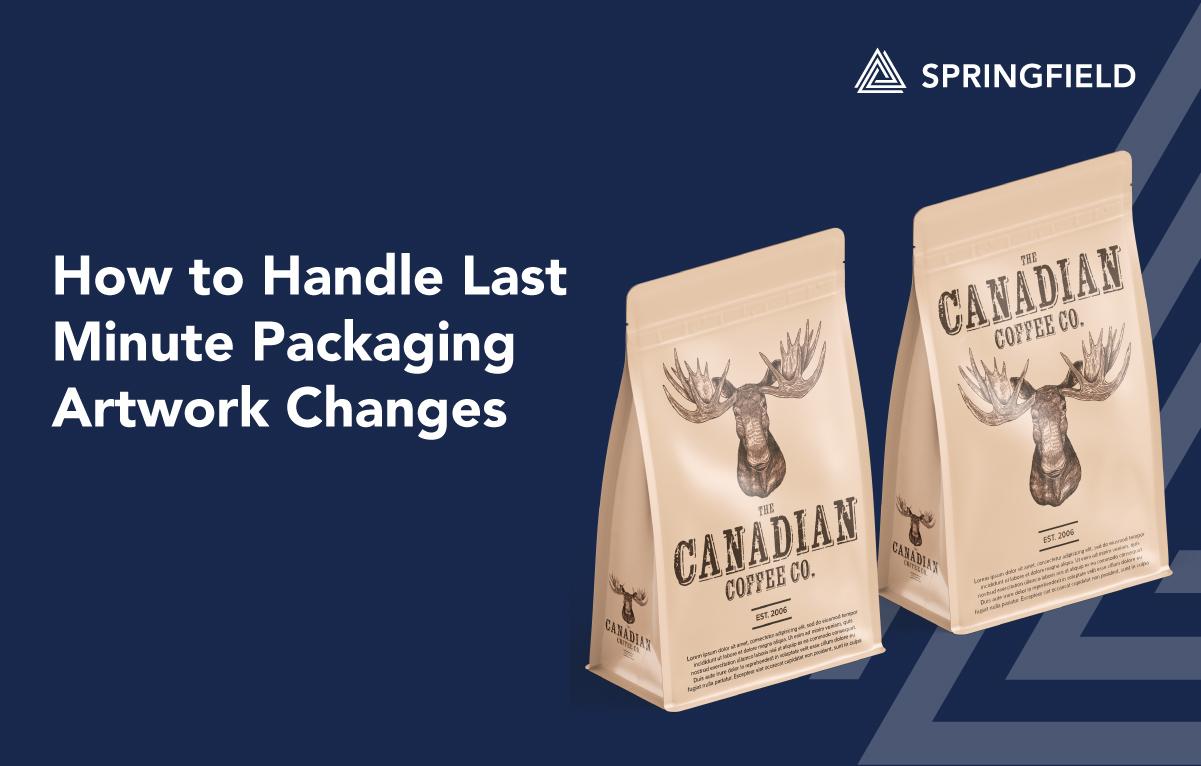
Last minute packaging artwork changes are a familiar source of pressure for brand and packaging teams. A regulatory update, amended product information or a simple error found during final review can affect an approved file just as it is approaching production.
The consequences can be costly, affecting not only finances, but launch dates too.
Not every late change can be prevented, and some are essential to protect compliance, accuracy or consumer safety.
The key is to handle each change through a disciplined process that connects creative requirements with production realities. The following steps can help teams assess risk quickly, maintain control of packaging artwork and settle on a confident artwork approval process.
What causes late packaging artwork changes?
Regulations and Compliance
Firstly, one key factor that often causes last minute artwork changes is regulatory updates. This may require alterations to be made to copy, symbols, warnings or product claims. While typically predictable, regulations can sometimes change fast. Also, communication of these regulatory changes can sometimes be missed.
So, it is important to keep all key stakeholders involved in your packaging artwork approval process to avoid risking compliance issues.
Product Information
Another cause of late-stage artwork amends is product information changes.
This may include ingredient, nutritional or distribution information that has changed after the artwork has already been developed.
Errors
Finally, an error may be discovered during a final legal, brand or production review. This can occur when teams are only shown artwork files after marketing sign off, rather than being consulted earlier in the process.
To battle this, key stakeholders should review documents early in the process to avoid late change requirements.
Sometimes, these issues only become visible when packaging artwork is checked against the technical requirements of the print process.
A barcode may not scan reliably, an image may be too low-resolution, or a dieline may not match the latest packaging specification.
Identifying the cause matters because responding correctly to a copy amendment is different from the response needed to tackle a colour, layout or structural issue.
So, you find yourself in one of the above situations. How should you tackle late stage packaging artwork amends?
Step 1: Assess the Change Immediately
A clear change request should identify the affected product, pack format, market, file version, required amendment and deadline.
Establish the change’s impact. Does it affect:
- Copy, claims, ingredients or regulatory information?
- Layout, typography, images or brand hierarchy?
- Colour, spot colours, varnishes or special finishes?
- Barcodes, legal marks or variable data?
- Dielines, dimensions, folds or pack construction?
- Print specifications, substrates or the selected production process?
- Proofing, approval dates, print schedules or material already produced?
This initial assessment separates a contained correction from a change that may affect multiple files, suppliers or production stages.
It also helps the team decide whether the artwork can be amended internally or if it requires a more technical assessment before any work begins.
Step 2: Speak to the Experts
When time is limited, technical expertise can prevent a small change from creating a larger problem. A technical artwork specialist can assess how an amendment will behave in production, identify downstream risks and advise on the safest route to approval.
This is particularly valuable when a seemingly minor copy change alters line breaks, panel balance, minimum type sizes or the position of regulatory information.
A layout adjustment may affect barcode clearance, trapping, overprint settings or the relationship between the artwork and dieline.
Consulting a packaging artwork expert also helps distinguish essential corrections from unnecessary design changes that could introduce additional risk at a late stage.
The aim is not to restrict creative intent. It is to preserve that intent while ensuring the final file is accurate and appropriate for the intended print process.
Step 3: Make the Amends
Step 4: Apply Reprographics and Prepress Checks
Once the amendments are complete, reprographics and packaging prepress checks should confirm that the file remains technically sound. A visual review alone is not enough. The file must also be examined for the requirements of the selected production method.
Checks may include trapping, overprint behaviour, colour separations, spot-colour use, image resolution and transparency. Specialists should also verify barcode size and contrast, dieline alignment, bleed, safe areas and the correct use of technical layers. The result should be a production-ready file that reflects both the approved design and the printer’s specifications.
Prepress is particularly important after a last-minute amendment because a new text box, resized image or altered panel can affect elements that were previously correct. A structured technical review provides a final opportunity to identify problems before plates, cylinders, dies or printed materials are committed.
Step 5: Use Digital Proofing and Structured Approval Workflows
Digital proofing gives stakeholders a clear way to review the correct version of the artwork. Instead of relying on digital files, reviewers can view accurate colours using the printed proof.
A strong approval workflow defines who reviews what and in which order. For example, regulatory or legal content may be checked before brand approval, followed by a technical review and final production sign-off. Each stage should have a clear status, deadline and responsible person.
Step 4: Strengthen Your Packaging Artwork Management
Effective packaging artwork management using a centralised digital asset management system is especially important to avoid these late-occurring amends or reduce stress when late packaging artwork amendments do crop up.
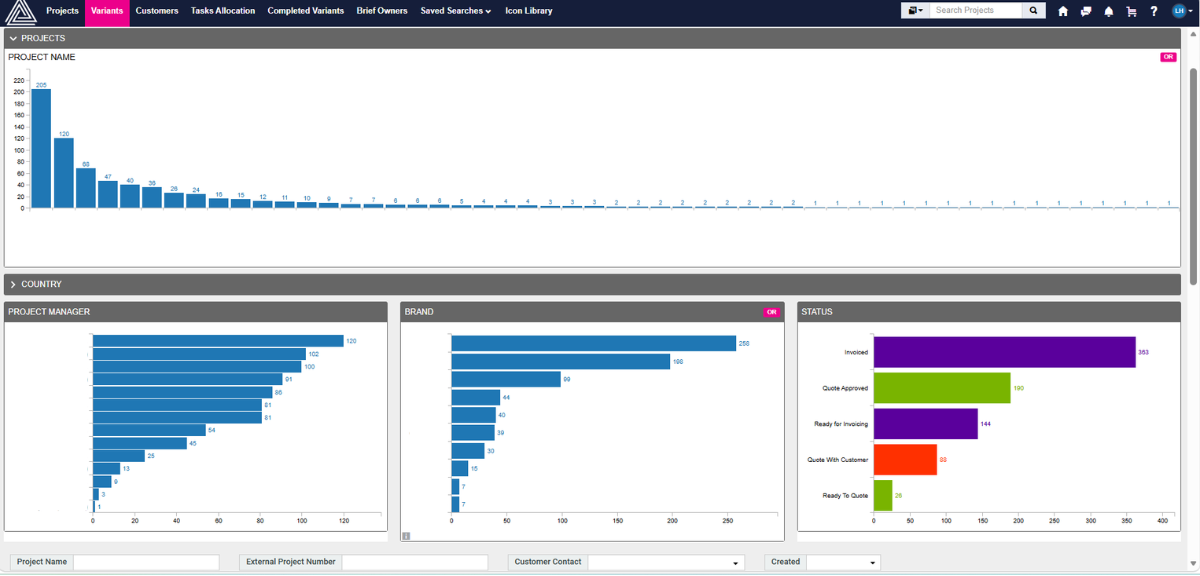
With a strong MIS system, it is easier to keep a track of projects, including being able to see who is responsible for a project. Every comment and change should have a clear owner, a documented reason and an agreed approval route. Teams should avoid working from local copies or attaching multiple versions to long email chains.
Controlled versioning is essential to mitigate risk. Use consistent file names, revision numbers and status labels such as ‘in review’, ‘changes required’ and ‘approved for production’. This creates an audit trail and reduces the risk of an obsolete file being sent to a printer or supplier.
Ownership should also be explicit. Amends should be coordinated clearly, while named stakeholders provide legal, brand, marketing, regulatory and technical input as required.
Springfield’s Role in Connecting Creative and Production
Springfield helps bridge the gap between creative requirements and production realities. By combining digital artwork management, technical artwork consultancy, reprographics, digital proofing and workflow expertise, Springfield can support teams when an urgent change needs to be assessed, amended, checked and approved.
This synergised approach means that creative decisions are considered alongside print specifications, technical constraints and production timing. Rather than treating artwork, prepress and approval as separate activities.
The Springfield process keeps the whole workflow connected from the initial concepts, through all amendment requests through to production.
Last-minute packaging artwork changes can be unavoidable, but a strong packaging artwork process can help you avoid confusion, waste and delays!
Let’s work together so that you can handle last minute packaging artwork changes with confidence.