Connected Packaging for Global Brands: Strategy, Standards & Scalability
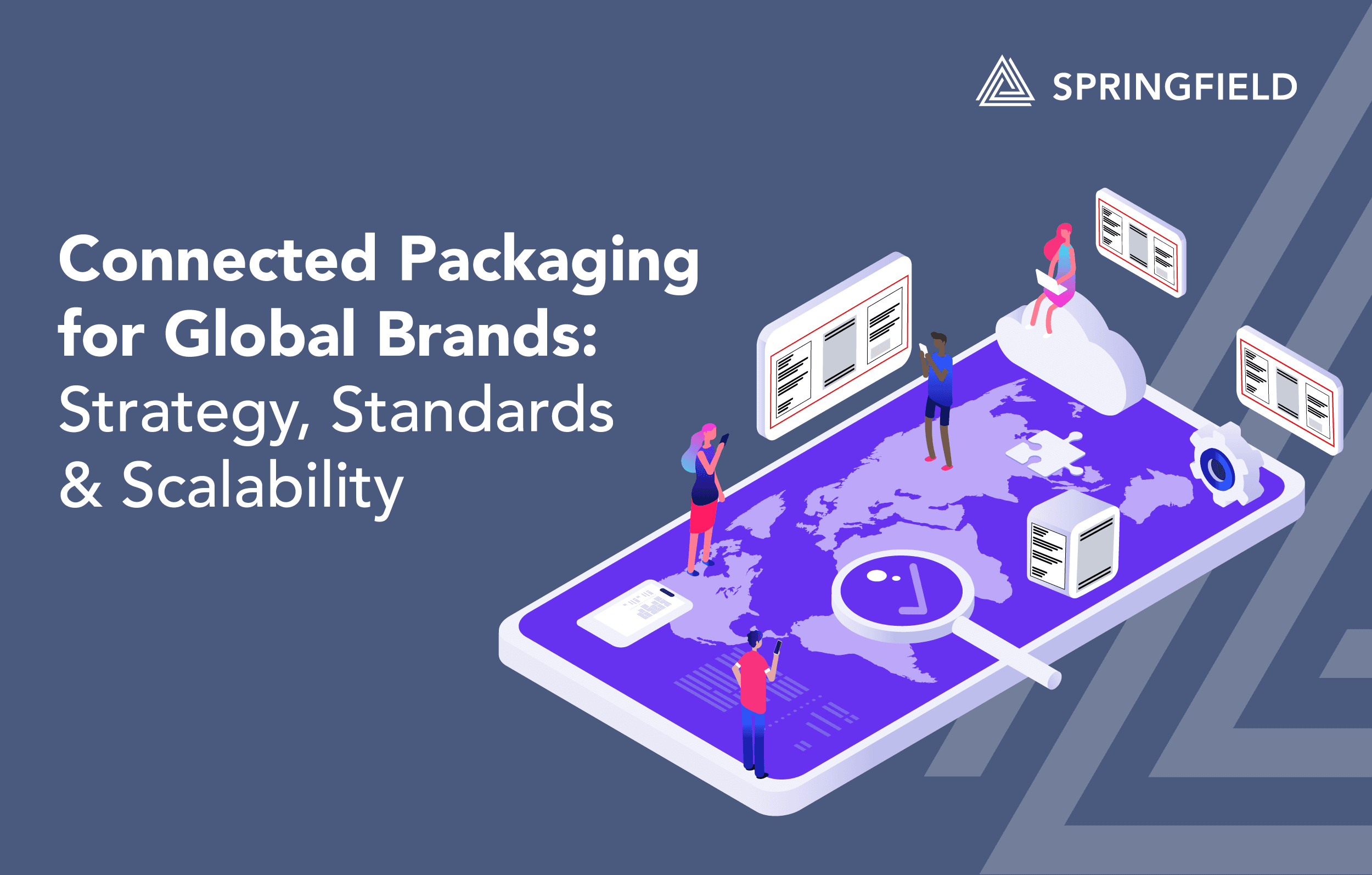
Connected packaging is transforming how brands engage with consumers.
From QR codes and NFC tags to augmented reality and personalised digital experiences. It bridges the gap between physical products and digital content, turning every pack into a gateway for storytelling, data capture, and brand interaction.
But while the opportunity is clear, scale can often become a challenge.
For global brands, rolling out connected packaging across multiple markets, SKUs, and regulatory environments requires more than creativity. It demands structure, control, and the right systems behind the scenes.
So, how do you make connected packaging work? Not just in one campaign, but across your entire portfolio?
What is Connected Packaging?
Connected packaging refers to any packaging that links the physical product to a digital experience.
Today, this goes far beyond simple QR codes. Brands are now using:
- QR codes to unlock product information, promotions, or traceability data
- NFC (Near Field Communication) for tap-to-connect experiences
- Augmented reality (AR) to create immersive brand storytelling
- Personalised landing pages based on location, campaign, or consumer data
- Dynamic content that evolves over time
The result? Packaging becomes a live, interactive touchpoint, not just a static design.
For consumers, this adds value, transparency, and engagement. For brands, it opens up powerful opportunities for data, loyalty, and differentiation.
The Challenge: Scaling Connected Packaging Globally
While launching a connected packaging campaign in one market is relatively straightforward, scaling it globally introduces complexity.
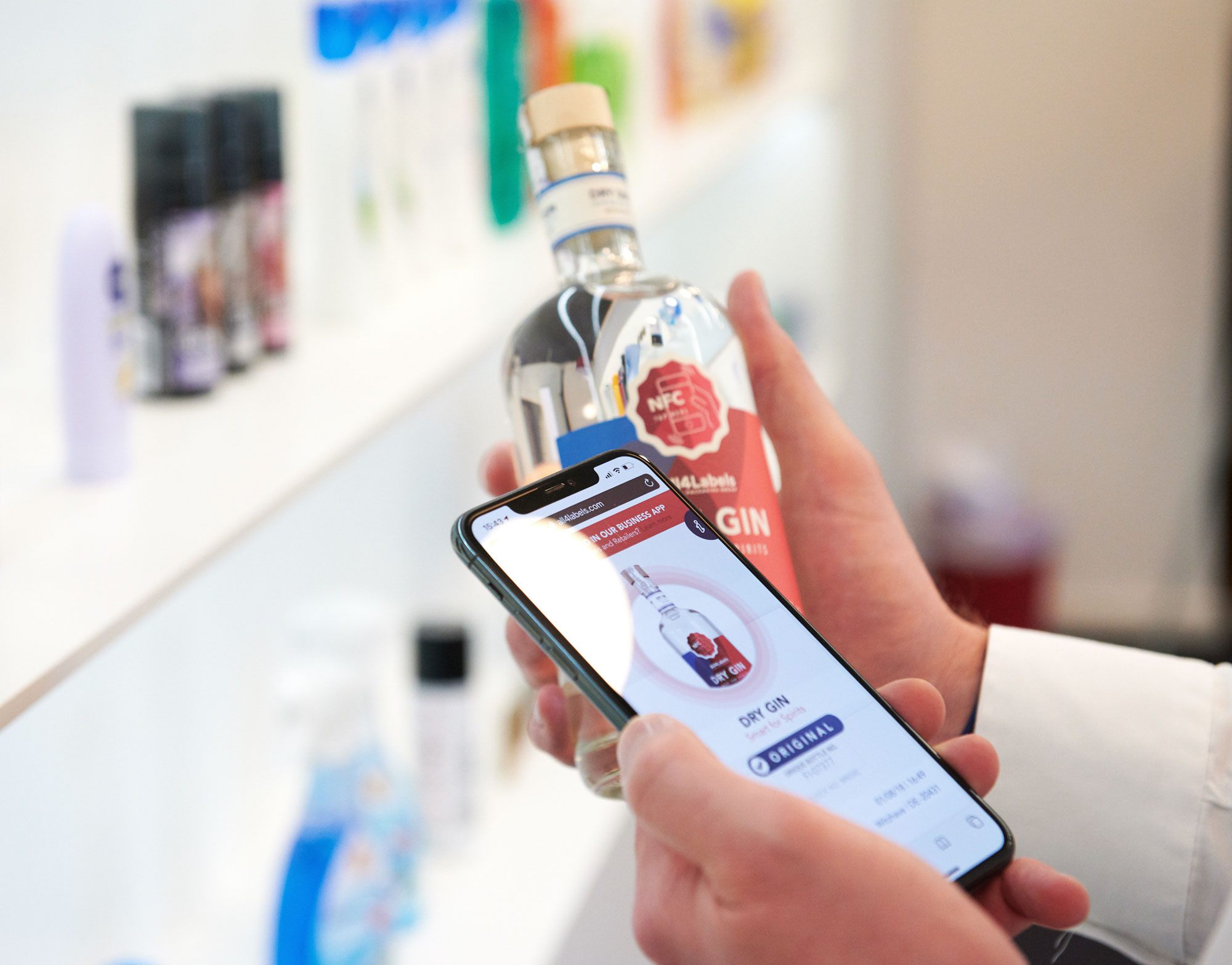
Key challenges include:
- Regulatory differences across regions (data privacy, labelling requirements, digital disclosures)
- Multiple languages and markets requiring localised content
- Version control across SKUs, campaigns, and territories
- Consistency of brand experience across physical and digital touchpoints
- Coordination between teams (marketing, compliance, production, digital)
Without the right infrastructure, connected packaging can quickly become fragmented. Leading to inconsistent messaging, outdated links, or compliance risks.
Best Practices for Global Rollouts
To successfully implement connected packaging at scale, brands need to balance innovation with control.
Start with a Clear Global Framework
Define a central strategy that governs how packaging is used across markets.
This includes:
- Standardising how QR codes or NFC elements are designed and placed
- Defining rules for digital content structure and branding
- Establishing governance for updates and approvals
A clear framework ensures consistency while still allowing local flexibility.
Design for Both Physical and Digital Experiences
Connected packaging needs to work in two worlds:
- On shelf: visually clear, engaging, and scannable
- Online: seamless transition to digital content
This means considering:
- QR code visibility and placement
- Clear calls-to-action (such as “Scan to discover”, “Tap to explore”)
- Mobile-first digital experiences
Strong design ensures that interaction is intuitive, not forced or clunky.
Build for Localisation at Scale
Global brands must adapt connected experiences for different regions without reinventing the wheel each time.
This requires:
- Modular content structures
- Centralised asset control
- Flexible templates for different languages and regulations
The goal is to scale connected packaging experiences efficiently while staying locally relevant.
Capture Data, But Make It Actionable
Connected experiences integrated into packaging opens valuable data opportunities with customers, that your internal teams will be able to build on for future campaigns and product launches, but only if used effectively.
Best practice includes:
- Tracking scan rates, engagement time, and user journeys
- Identifying bottlenecks in connected experiences
- Linking packaging interactions to campaigns or product launches
- Feeding insights back into marketing and product development
The most successful brands treat connected packaging as a data channel to feed future success, not just a marketing feature.
Balance Creativity with Operational Control
It’s easy to get carried away with innovation. Without control, complexity can increase for future product launches.
Brands need:
- Clear approval workflows
- Version tracking across markets
- Confidence that every printed pack links to the correct digital experience
This is where operational excellence becomes critical.
How Springfield Supports Connected Packaging at Scale
At Springfield, we understand that connected packaging is both a creative and operational challenge to combat.
Our end-to-end packaging services help global brands roll out connected packaging with confidence.
Packaging Asset Management for Control & Consistency
Our digital asset management solutions provide a single source of truth for all packaging assets, ensuring:
- Accurate version control across markets and SKUs
- Consistent use of QR codes, messaging, and digital triggers
- Streamlined approvals across global teams
Explore how our asset management services support global packaging workflows.
Artwork & Reprographics for Print-Ready Accuracy
Interactive packaging relies on precise execution.
Our artwork and reprographics teams ensure:
- QR codes and digital elements are technically correct and scannable
- Layouts are consistent across formats and substrates
- Colour and print quality remain on-brand
This reduces risk and ensures every pack performs as intended.
Mock-Ups & Packshots to Test Before You Launch
Before rolling out at scale, it’s essential to test.
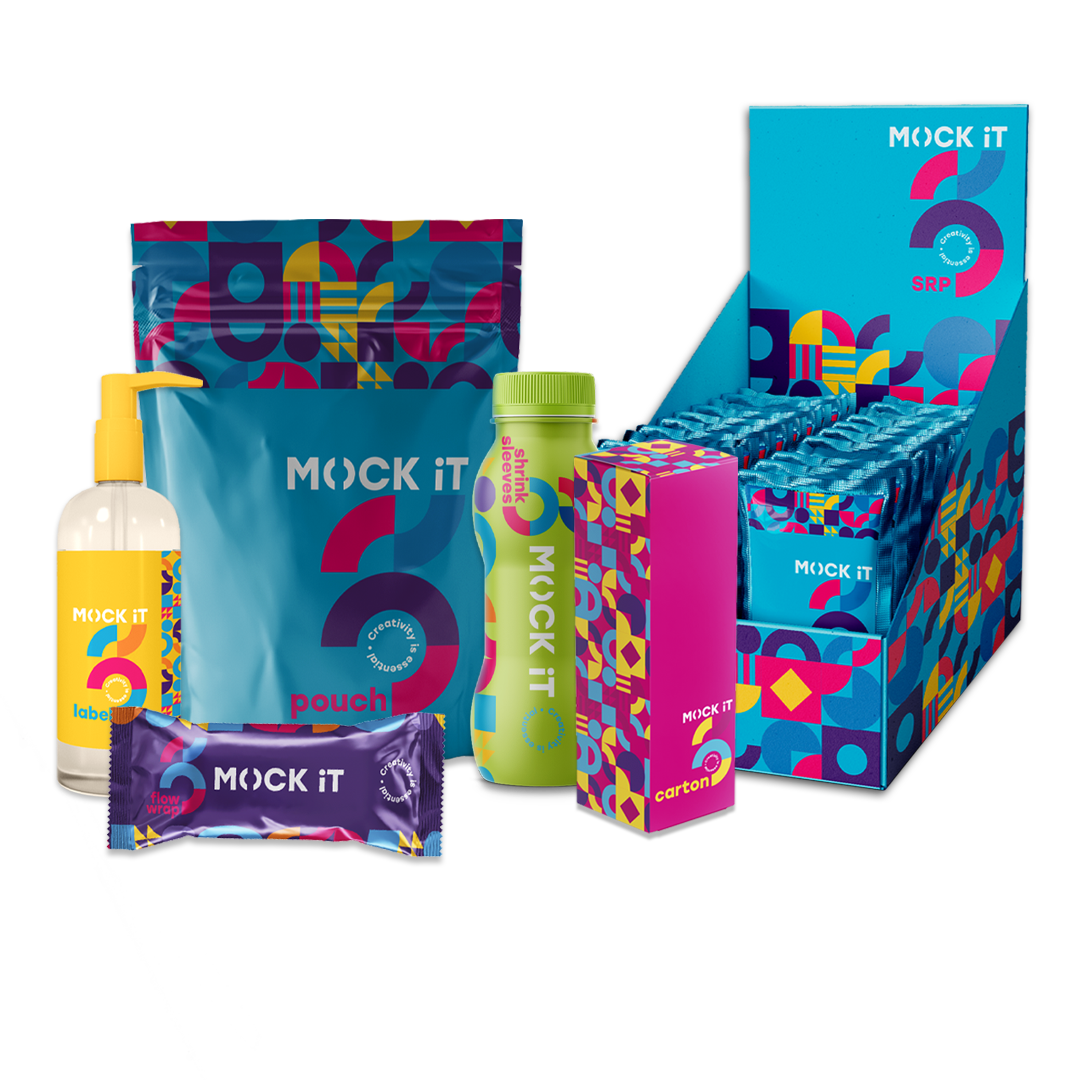
With Springfield’s digitally printed packaging mock-ups and 3D packshots, you can:
- Validate placement and usability of QR/NFC elements
- Test consumer interaction before production
- Present connected packaging concepts to stakeholders and retailers
- Capture marketing visuals ahead of launch
Final Thoughts: Connected Packaging That Works Everywhere
Connected packaging is one of the most powerful tools available to brands.
But success doesn’t come from technology alone. It comes from strategy, structure, and scalability.
For global brands, the challenge is clear: How do you deliver engaging, interactive experiences while maintaining control across every market?
With the right approach and the right partner, you can do both.
Ready to Scale Your Connected Packaging Strategy?
Whether you’re launching your first connected campaign or rolling out globally, Springfield can help you:
- Maintain control of your packaging assets
- Ensure print-ready accuracy across every SKU
- Test and refine your designs before production
Get in touch with our team to discuss your next connected packaging project.