Why Artwork Management Is Critical for Agrochemical Packaging Compliance
For agrochemical manufacturers, packaging is far more than a container. It is a regulated communication tool, a safety document, a product identifier and, often, the final checkpoint before a product reaches distributors and professional users.
Which is just part of why artwork management can be complicated in the agrochemical space, and why it is critical to have a strong process in place.
Why can artwork management become complex in agrochemical product portfolios?
As product portfolios expand across regions, crops, formulations and pack sizes, managing artwork files foe agrochemical product packaging becomes increasingly complex.
Much of this is related to regulations and compliance.
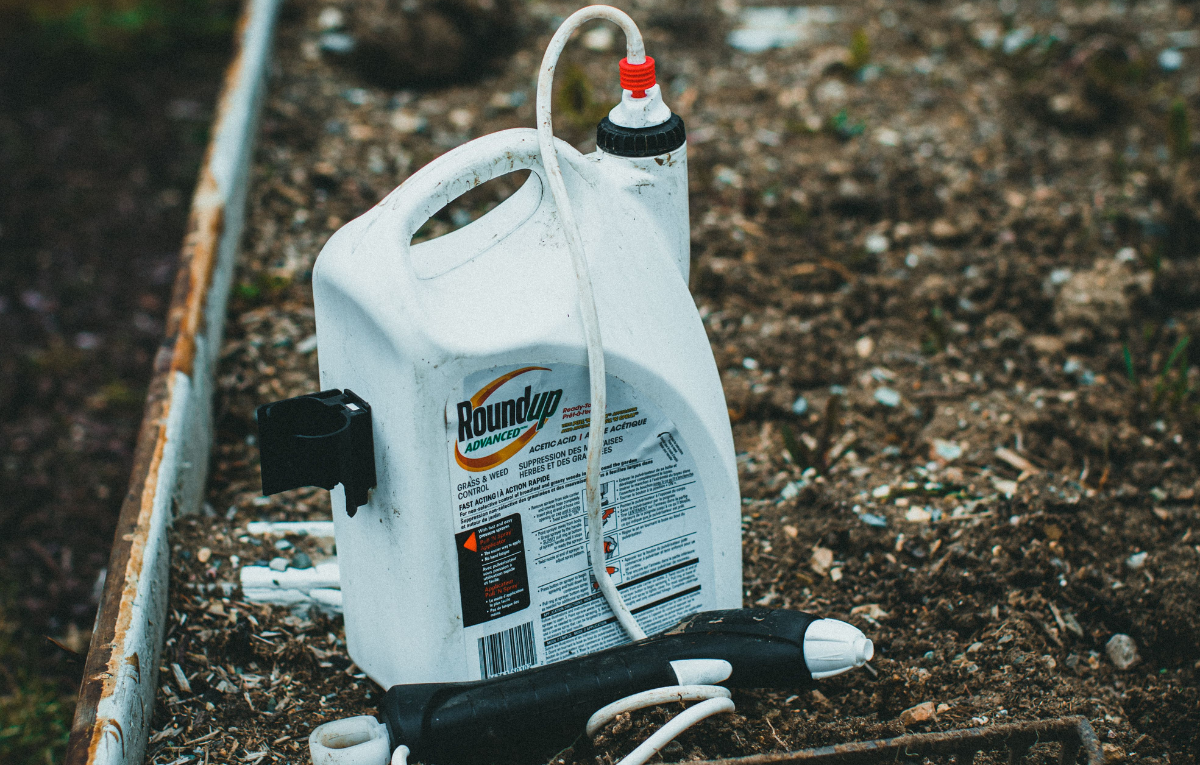
Labels may need to carry multilingual copy, hazard pictograms, statutory phrases, authorised conditions of use, batch information, safety instructions and market-specific requirements, all whilst remaining accurate, legible and production-ready.
That level of complexity makes artwork management a business-critical process.
When artwork, copy, translations and regulatory assets are managed through disconnected emails, spreadsheets and shared folders, the risk of error increases quickly.
A missed phrase, outdated hazard statement or incorrect version can create compliance issues, delay launches, trigger costly rework or damage customer trust.
By contrast, a structured artwork management process, such as Springfield’s DAM gives brands a centralised, controlled and auditable way to manage packaging assets from brief through approval and final print.
The regulatory pressure behind agrochemical packaging compliance
Agrochemical packaging and labelling are governed by regulatory frameworks designed to protect human health, animals and the environment.
For example, in Great Britain, the Health and Safety Executive provide detailed guidance for plant protection product labels through its pesticide labelling handbook, which covers requirements for professional, amateur and trial products.
Labels must reflect authorised uses, directions for use, risk mitigation measures and other mandatory information before products are placed on the market.
Alongside product-specific pesticide requirements, agrochemical brands must also consider classification, labelling and packaging obligations for hazardous substances and mixtures.
The GB CLP Regulation applies in Great Britain, while EU CLP continues to apply in the EU and Northern Ireland.
These rules determine how hazards are classified and communicated, including the use of signal words, hazard statements, precautionary statements and GHS pictograms. For plant protection products sold in the EU, regulations have historically set protocols, and new EU labelling rules are introducing greater emphasis on digital labels and updated hazard communication in agrochemical packaging compliance.
The challenge for brands and manufacturers in the Agrochemical industry, is that these requirements rarely stand still.
A formulation change, new market authorisation, updated precautionary phrase, revised pictogram requirement or change in local language copy can all trigger artwork updates. When a product has multiple pack sizes, regional variants and leaflet formats, even a small change can affect dozens of packaging assets.
Why artwork management matters
Artwork management is the structured control of every file, version, approval and asset involved in packaging creation.
For agrochemical packaging, this includes labels, cartons, leaflets, safety panels, icons, barcodes, dielines, translations, product claims, pack copy and print-ready artwork.
Effective management ensures every team — regulatory, technical, marketing, legal, reprographics and print — works from the same approved artwork.
Without that control, teams can quickly lose visibility. Which artwork is approved? Which translation is current? Has regulatory signed off the latest pack copy? Did reprographics receive the correct cutter guide? Is the version sent to print the same version that completed approval?
These questions matter because packaging mistakes in agrochemicals are not only brand issues. They can become safety and compliance issues.
How Springfield reduces compliance risk
Springfield’s Digital Asset Management service supports agrochemical packaging compliance by bringing packaging assets into one central environment.
Instead of your packaging assets being scattered across inboxes and local drives, teams can manage approved files, previous versions, master artwork, translations, imagery, regulatory copy and production assets in a controlled digital asset management system.
This centralised approach helps by:
- Reducing the risk of using outdated or unapproved content
- Providing a platform for multiple team members to view, annotate and approve assets simultaneously
- Giving teams the confidence that they are reviewing and releasing the correct file to the printer
- Making assets easier to find by product name, market, pack size, language, formulation or approval status
For regulated packaging, auditability is especially important.
A robust artwork management process creates a clearer record of what changed, who reviewed it and when it was approved.
That visibility can be invaluable when responding to internal quality checks, supplier queries or regulatory questions.
The risk of not utilising an asset management solution
Long email chains = missed feedback
Agrochemical packaging compliance often involves multiple stakeholders and sequential checks. Regulatory teams may need to confirm statutory copy and label phrases. Technical teams may need to validate product information, dose rates or use instructions. Marketing may review brand consistency.
When this process is managed manually, approval chains can become slow and unclear.
Feedback may arrive in different formats, comments can conflict, and teams can spend time checking whether they are looking at the latest version.
Digital asset management helps streamline these approvals by creating a transparent workflow around packaging assets and taking the complexity out of packaging artwork management.
This not only improves efficiency but supports better decision-making. When every approval is connected to the right asset and the right version, there is less room for ambiguity. Fewer manual handovers mean fewer opportunities for errors to enter the process.
Issues managing multilingual and multi-market packaging
Many agrochemical brands operate across multiple territories, each with its own language requirements, authorised wording and packaging expectations.
A single product may require several label versions for different markets, or a multilingual label that must balance regulatory content with limited pack space. Leaflets may also form part of the overall labelling, especially where the physical pack cannot accommodate all required information.
Without an artwork management process, inconsistencies could crop up across global versions.
Using a DAM system, brands can keep a track of approved translations, icons, pictograms, safety statements and brand assets. Reducing inconsistencies and allowing teams to quickly identify which assets apply to which region or product variant.
Commercial risks of uncontrolled packaging assets in the agrochemical market
When you lose control of your artwork management, this can have a knock-on effect on your business financially.
This is because effective artwork management is not only beneficial when it comes to compliance and saving time. It also has commercial value. Faster approvals can help products reach market sooner.
Fewer artwork errors means reduced reprints, delays and waste. Better asset visibility can also improve collaboration between internal teams, agencies, reprographics specialists and print suppliers.
For manufacturers managing high SKU volumes or frequent regulatory updates, these efficiencies can make a measurable difference.
Most importantly, controlled packaging workflows give teams confidence. When every asset has a clear owner, status, history and approved destination, packaging projects become easier to manage and easier to scale.
Conclusion: compliance starts with control
Agrochemical packaging compliance depends on accuracy, traceability and control.
With evolving regulations, multilingual requirements and multiple product variants, manufacturers cannot afford to manage critical artwork assets through fragmented processes.
A centralised artwork management approach, supported by Springfield, helps reduce compliance risk, streamline approvals and ensure packaging is always ready for production.
For agrochemical brands looking for the right artwork management process to maintain compliance, reduce delays and streamline your packaging process, get in touch with the Springfield team!